
Curiosities
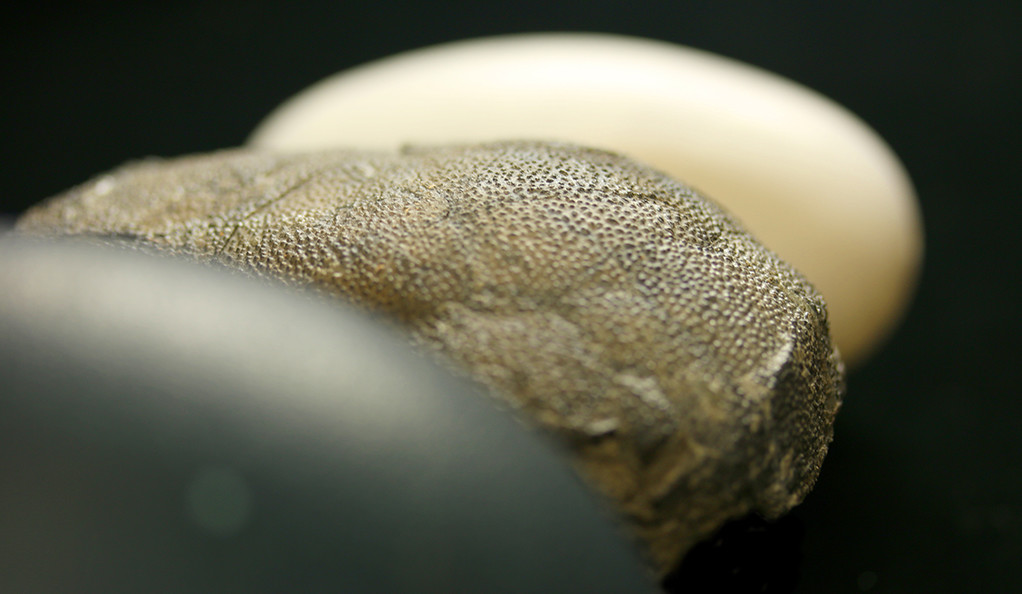
After garnering worldwide attention last year for her research on the origins of egg color in birds, Yale paleontologist Jasmina Wiemann has taken a second look at her eggshells.
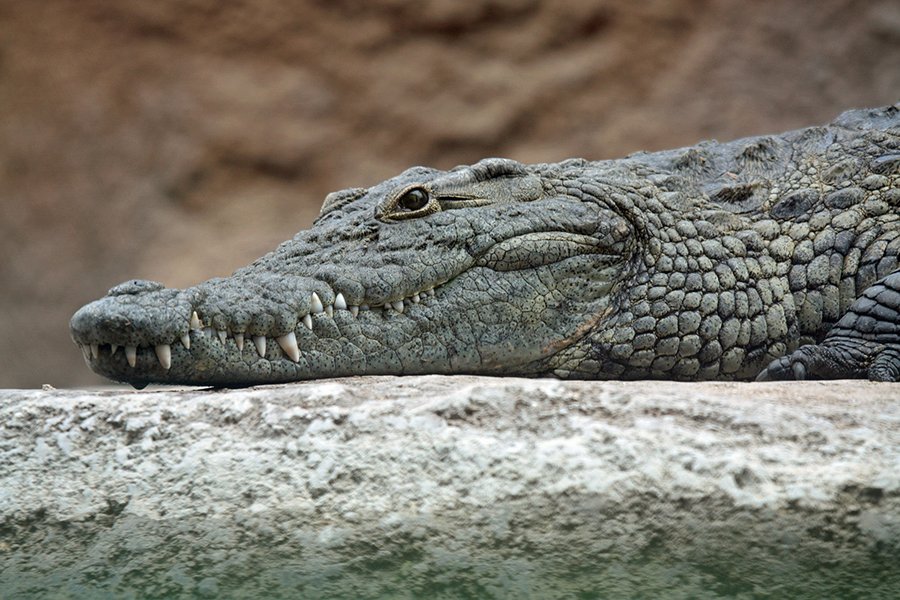
Some crocodiles have a sensitive side underneath their tough skin that could shine light on our ancient climate, scientists say.

In a new study published in the journal eLife, an international team of paleontologists looked for preserved collagen proteins and DNA in the fossilized bones of a horned dinosaur called...
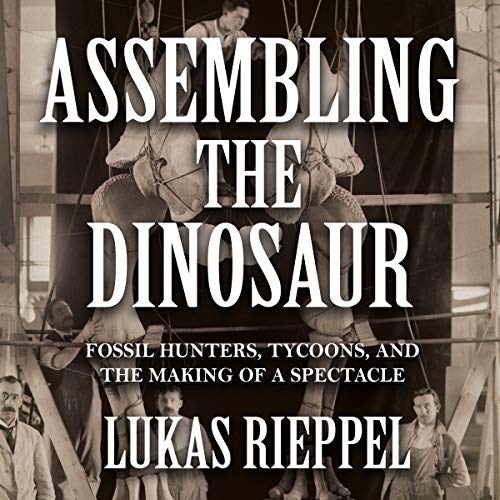
The first 6 months of 1905 saw two prominent, celebrity-studded, and copiously publicized unveilings of full-size dinosaur exhibits. In February, the American Museum of Natural History (AMNH) in New York unveiled its Brontosaurus mount; in April, Andrew Carnegie’s...

“The central idea of biological evolution is that all life on Earth shares a common ancestor,” according to Understanding Evolution, a joint project of the University of California Museum...
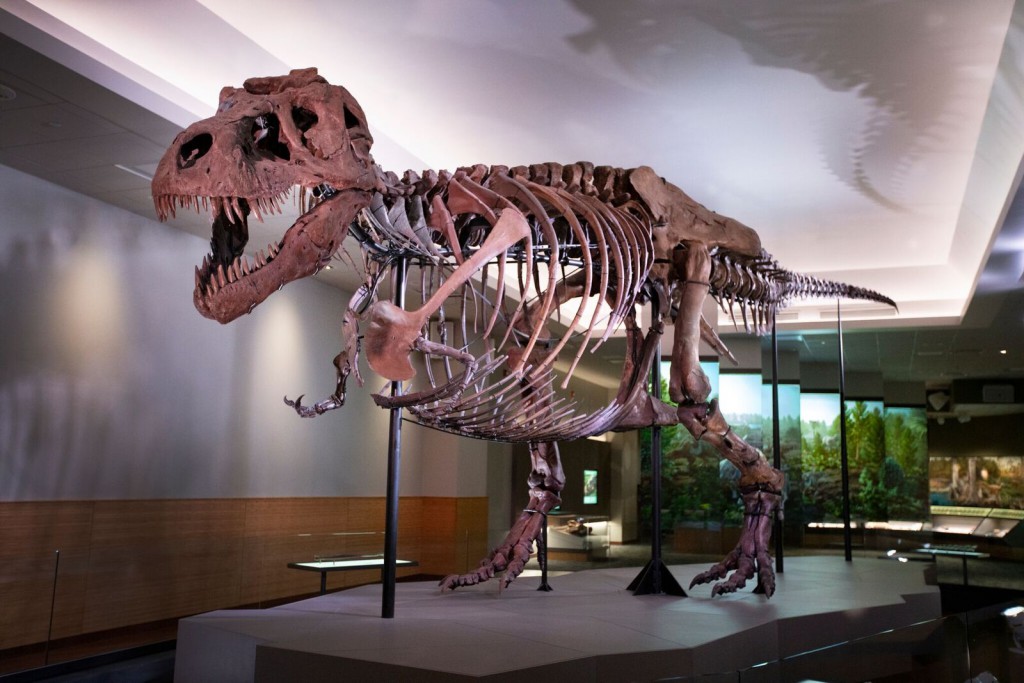
Take T. rex, for example: How did the animal find food, through sharp sight, great hearing or a keen sense of smell? The nose...
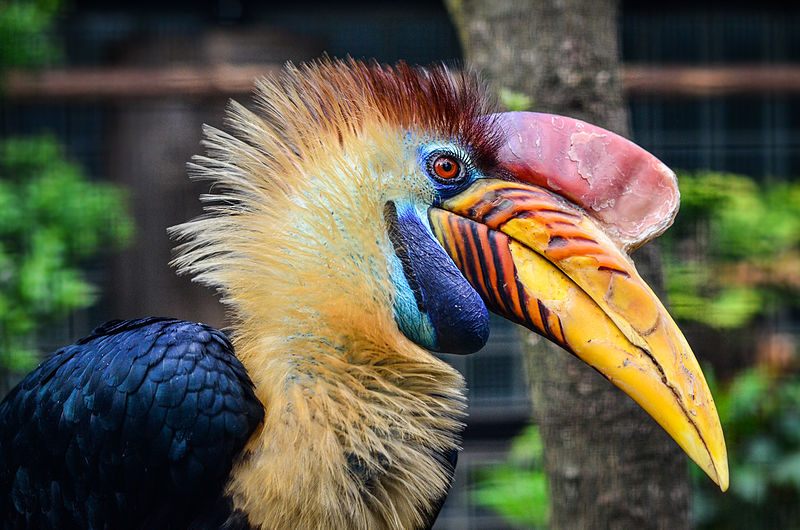
In fact, you can still see 10,000 different species of their descendants flying around if you just look up at the sky.

We know that dinosaurs ruled the Earth for about 180 million years. Then, around 66 million years ago, a huge rock from outer space (called an asteroid)...
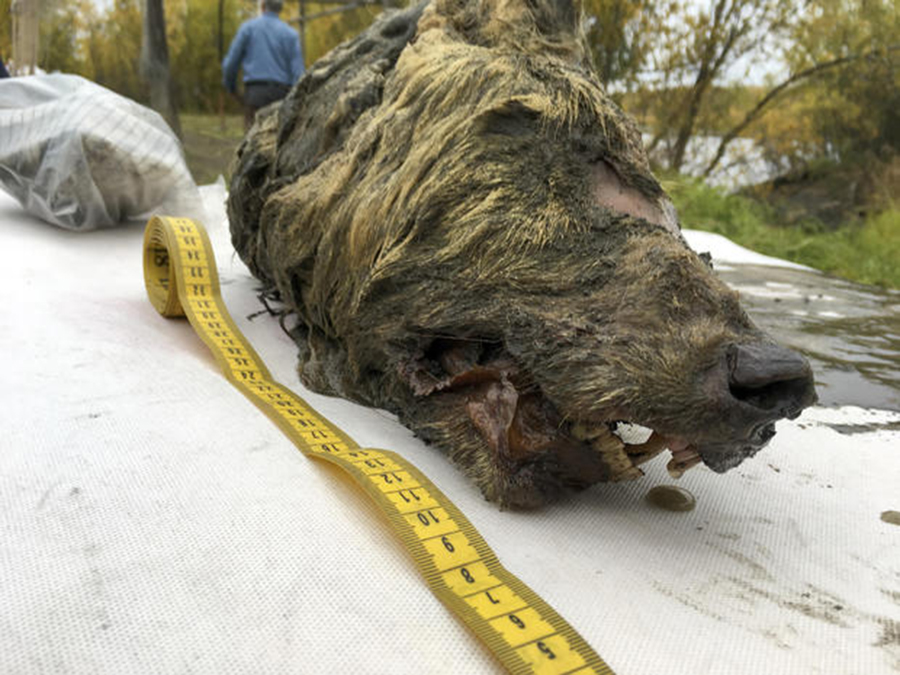
A 40,000-year-old wolf's head was discovered in northern Russia — with its ears, fangs, brain and tongue perfectly intact in the permafrost. Scientists believe the beast from the Ice Age belonged to a now-extinct subspecies of wolf that lived during the same era...
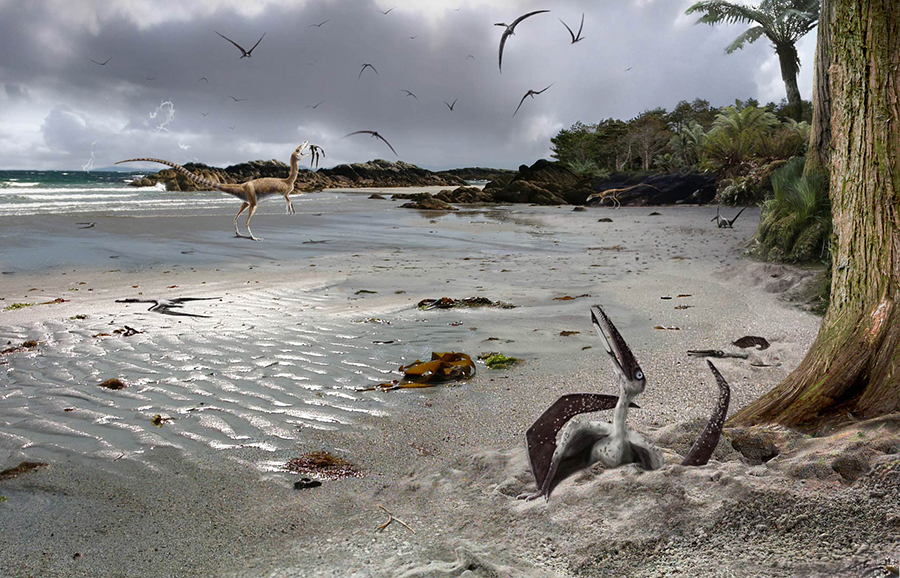
Pterosaurs were winged flying reptiles that lived at the same time as dinosaurs, between 210 million and 65 million years ago. Previously, they were...