
Exploring Prehistoric Life

The age of the dinosaurs ended 66 million years ago with the ultimate bad day, not a prolonged period of climate change wrought by volcanic activity, according to new research.
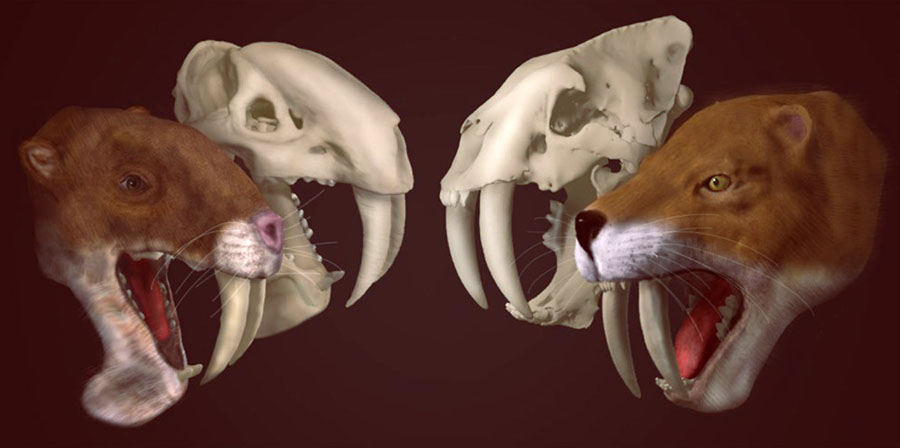
Thylacosmilus atrox, an extinct marsupial that roamed South America between 9 and 3 million years ago (Neogene period...
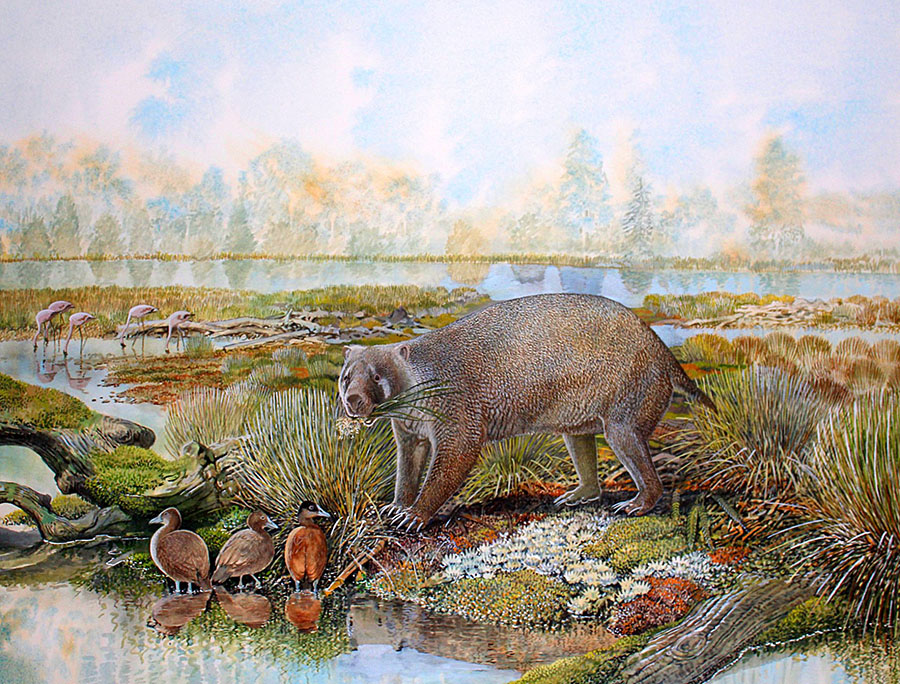
Paleontologists have identified a giant wombat-like marsupial that lived 25 million years ago (Oligocene Epoch) in what is now Australia. Named ...
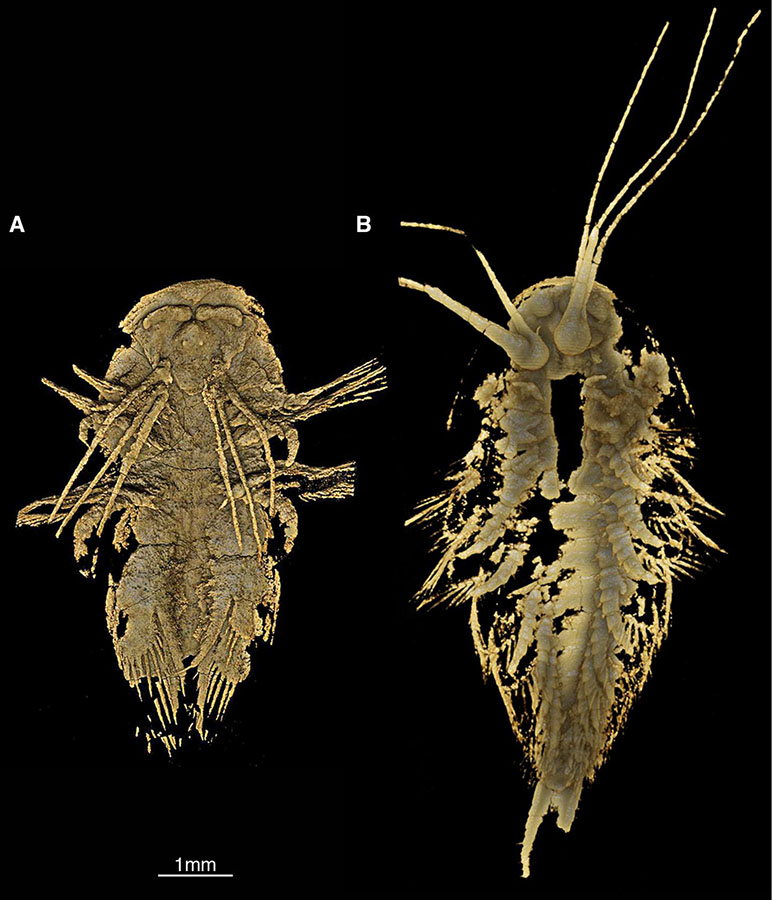
The Chengjiang biota in the Yunnan Province of China contains one of the most species-rich and well-preserved fossiliferous deposits for the early...
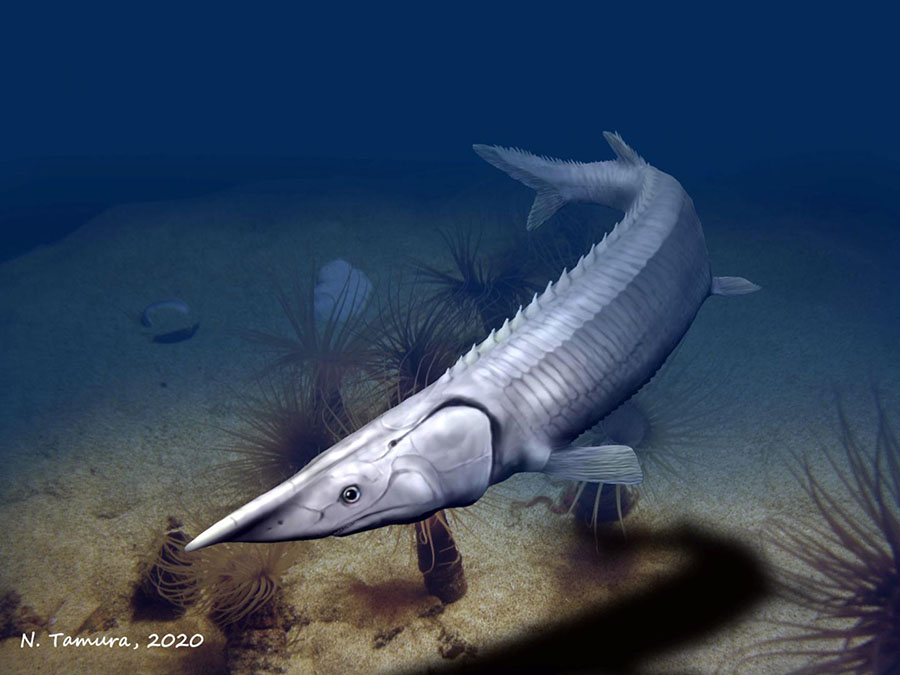
A team of U.S. paleontologists has redescribed the morphology of a long-snouted ray-finned fish called Tanyrhinichthys mcallisteri and created a more complete and accurate reconstruction of the fish as a living animal....

Putting together the history of life on Earth has a major stumbling block: Prior to about 540 million years ago, most life was squishy and microbial, which meant it rarely fossilized. This major blind spot makes it difficult for researchers to study ancient life...
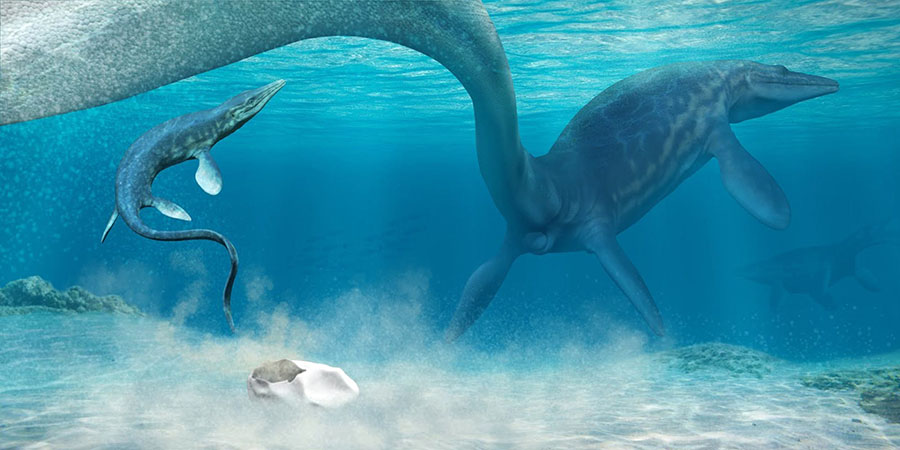
A giant fossilized egg of an extinct marine reptile has been found in the 68-million-year-old nearshore marine deposits in Antarctica.
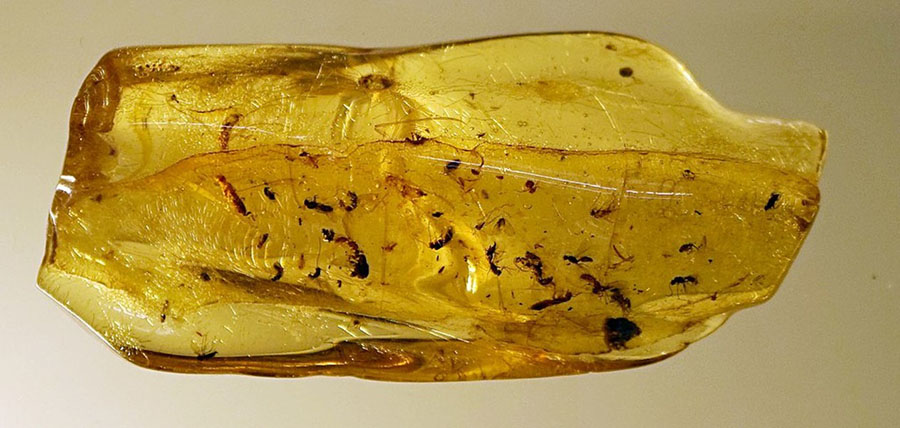
Two new species of cave dwelling cockroaches have been discovered from a cave in Myanmar. They have been dated to be 99 million years old making them the oldest cave animals known to date.
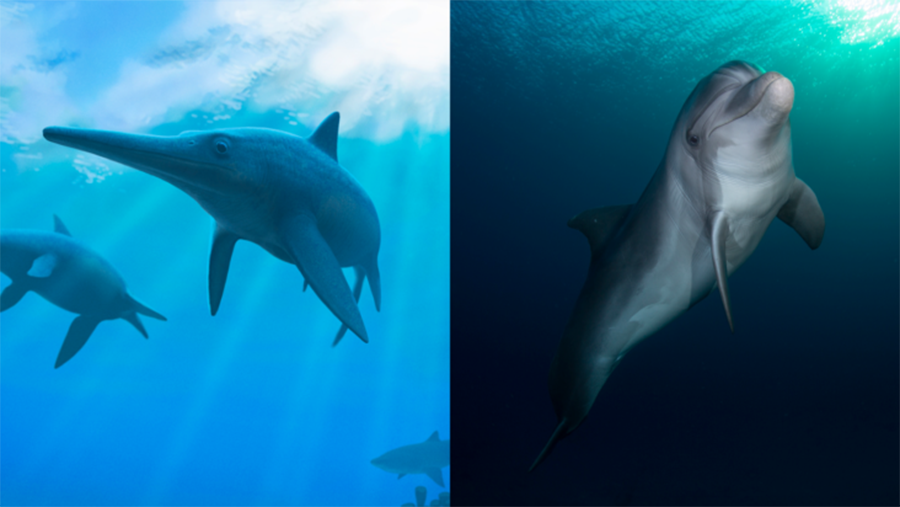
Every once in a while, Darwinian natural selection stumbles upon the same solution more than once, in a process known as convergent evolution. Here are our favourite examples of evolution making the same creature, or same physical trait, twice.
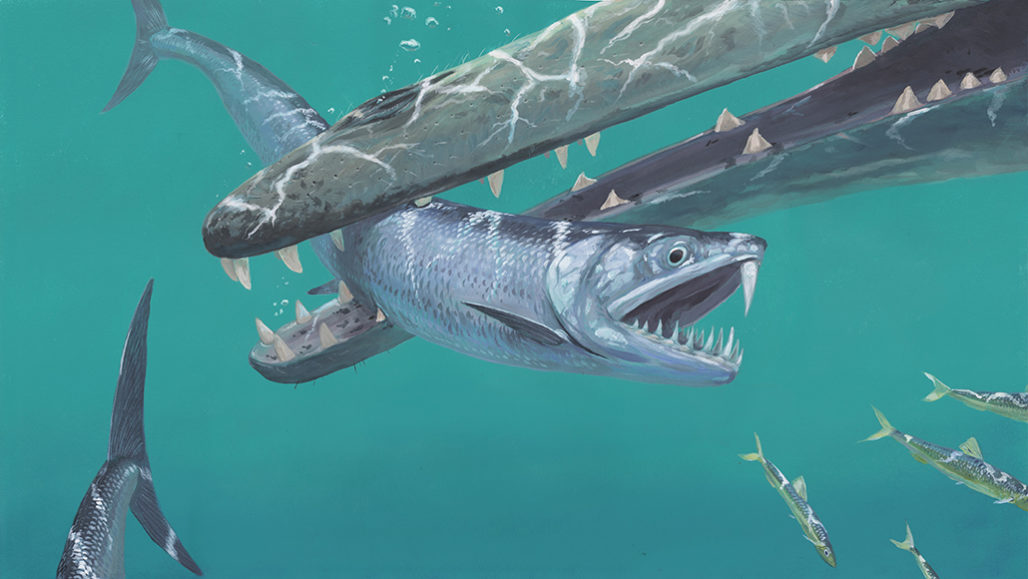
Fossils show that these fish were armed with a mouthful of awesome teeth. Each of two newly analyzed specimens sports a toothy lower jaw and one giant spear jutting down from its top...