
Exploring Prehistoric Life
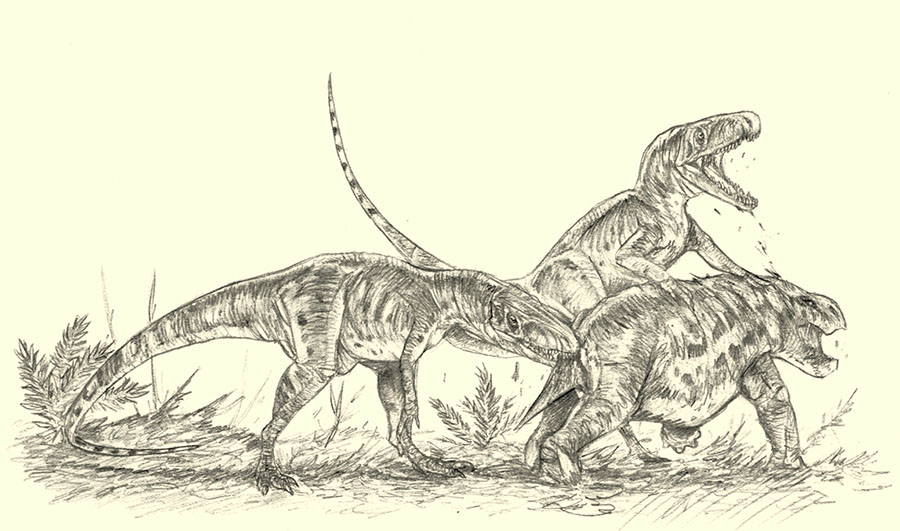
Coprolites, or fossilized droppings, of the dinosaur-like archosaur Smok wawelski contain lots of chewed-up bone fragments. This led researchers at Uppsala University to conclude that this top predator was exploiting bones for salt and marrow, a behavior often...
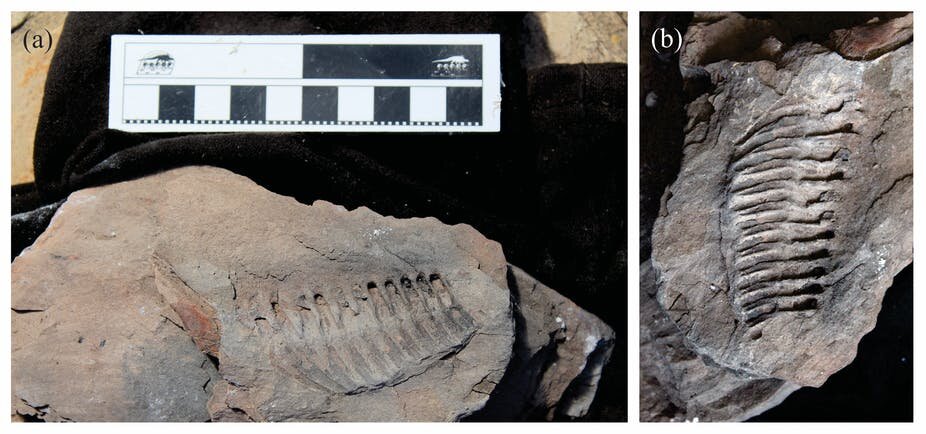
It's been nearly 50 years since geologist and author Dorothy Vitaliano coined the term "geomythology". This refers to the study of oral traditions from around the world that explain geological...
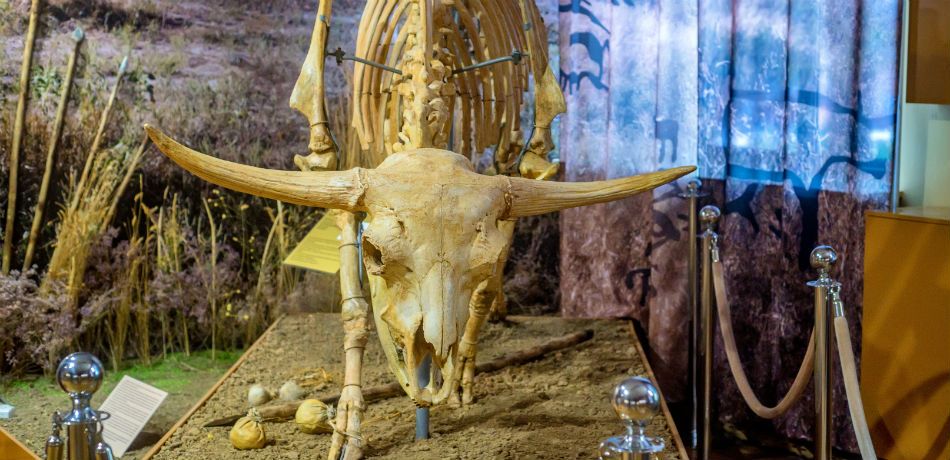
Paleontologists have stumbled upon the 150,000-year-old skull of an extinct bison priscus, and this discovery marks the first time that a complete skull has been discovered at this particular Cambridgeshire quarry site.
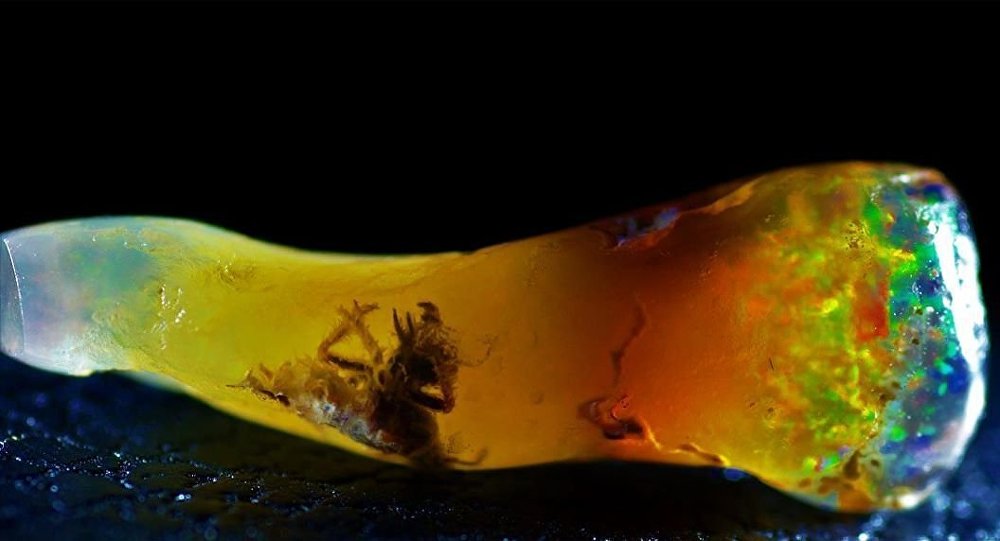
An opal, purchased a year ago, produced a most unusual discovery, as it contained an ancient insect embedded within it.
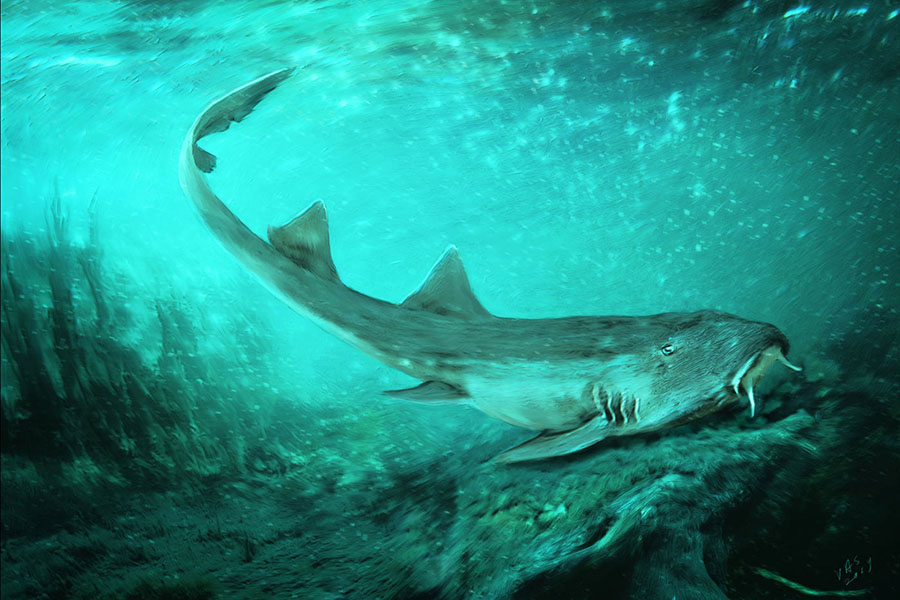
A new species of freshwater shark that lived about 67 million years ago (Cretaceous period) has been identified from fossilized teeth found in South Dakota....
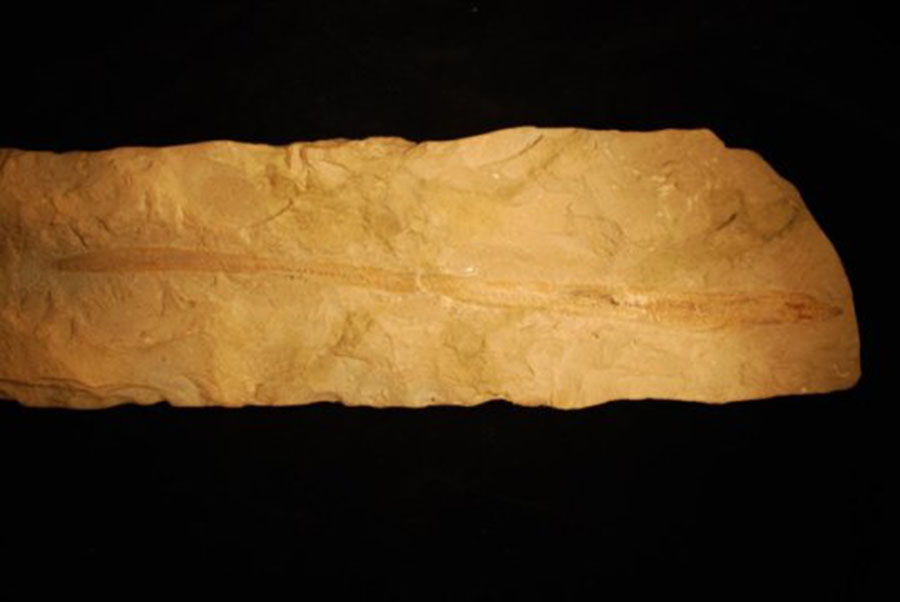
The 100-million-year-old fossil helps answer questions about when these ancient, jawless fish branched off the evolutionary tree from the lineage that gave rise to modern-day jawed vertebrates, including bony fish and humans.
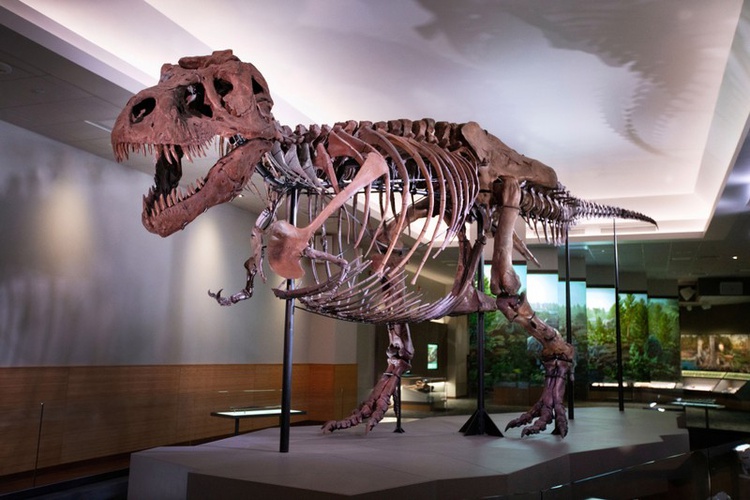
Scientists conducting a recent painstaking examination of the two tons of rock left over after the fossilized bones of the celebrated Tyrannosaurus rex named...
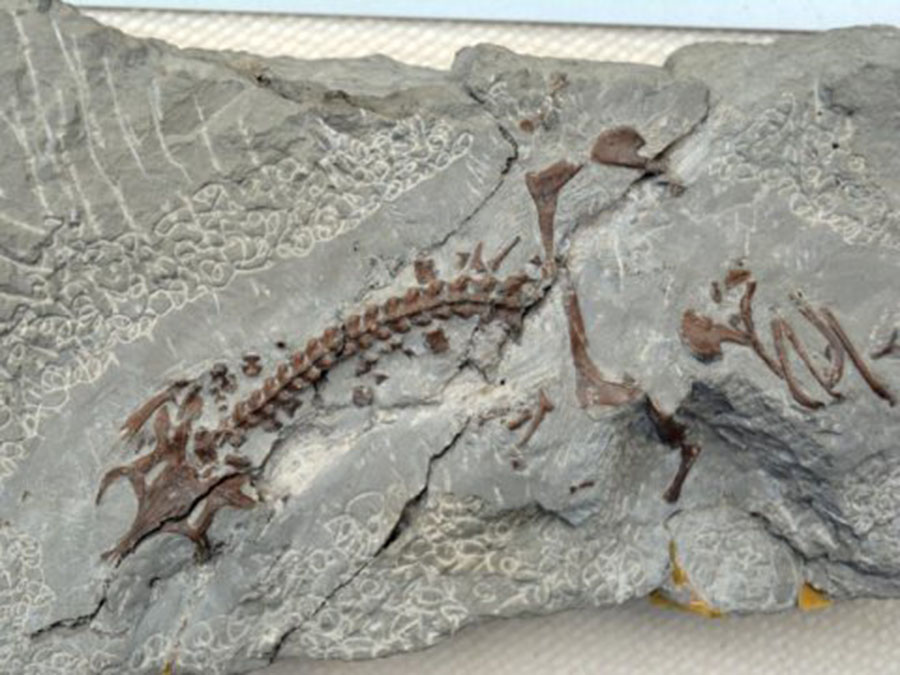
A student at the University of Bonn, himself a Dutchman and passionate fossil collector, has now analyzed pieces from museums and private collections for his master's thesis.

The stomach contents preserved in an adult specimen of the archaic whaleBasilosaurus isis from the site of the Wadi Al Hitan in Egypt suggest it was an apex (top) predator that fed on smaller whales (juvenile Dorudon atrox) and large...
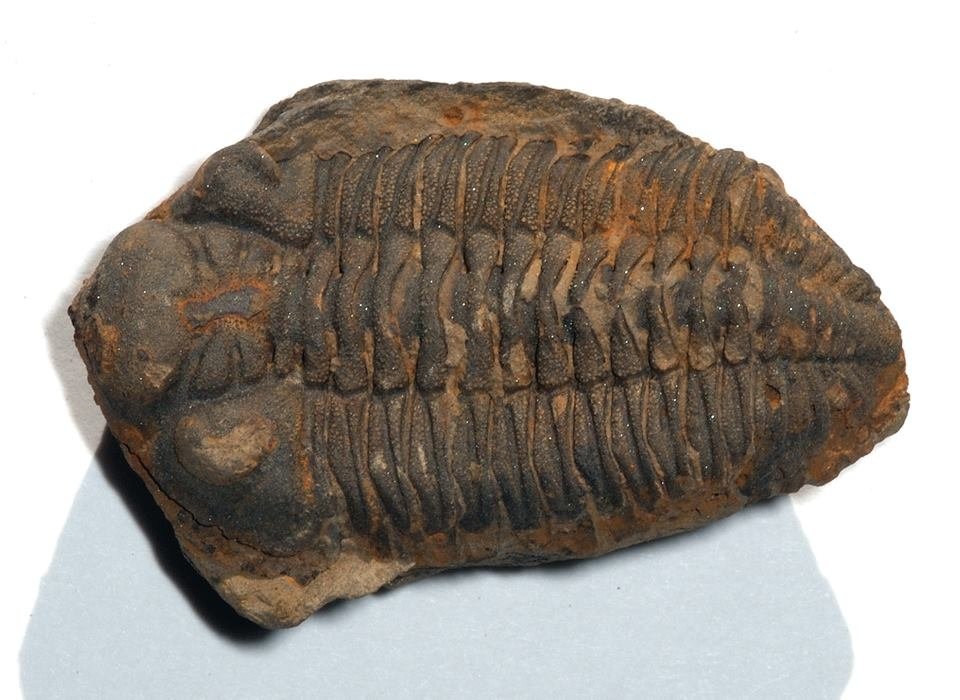
Brazilian researchers used biogeographic analysis to study Trilobites, arthropods that became extinct over 252 million years ago....