
Exploring Prehistoric Life
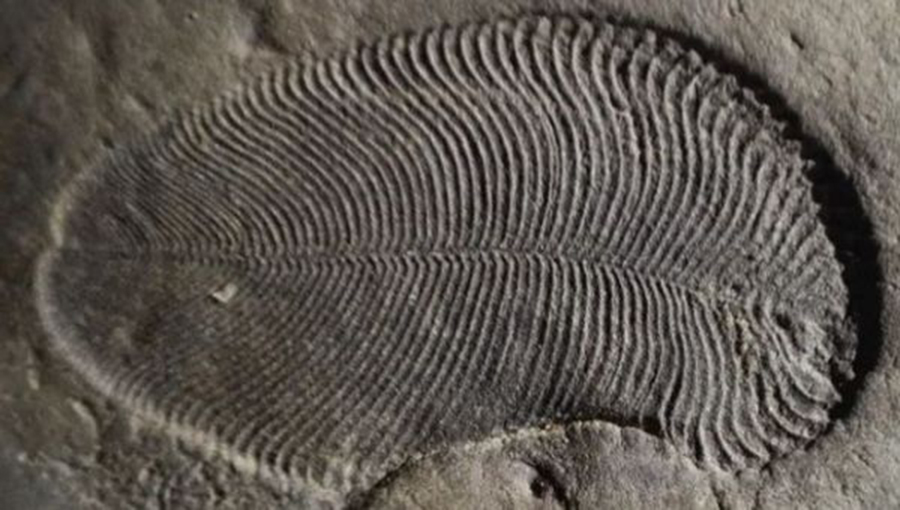
Found on the cliffs of Russia’s northwest coast along the White Sea, the fossils predate snails, bivalves, and arthropods.
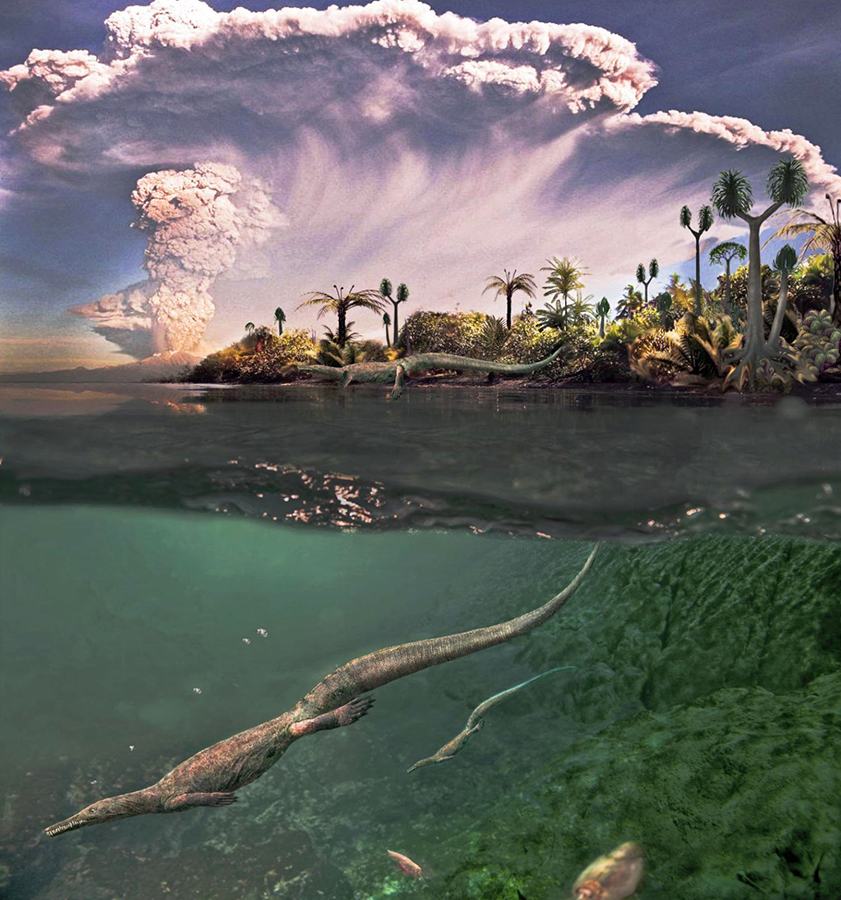
According to new research published in the journal Frontiers in Ecology and Evolution, mesosaurs — the oldest known reptiles that developed...
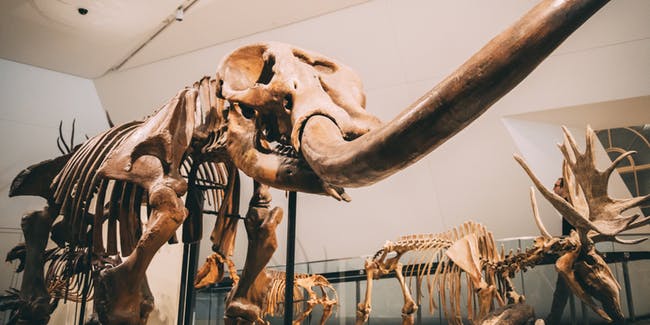
The great museums of the world harbor a secret: They’re home to millions upon millions of natural history specimens that almost never see the light of...

Some of these massive beasts are familiar in form but enormous in size, while others are strange hybrids of modern-day animals.
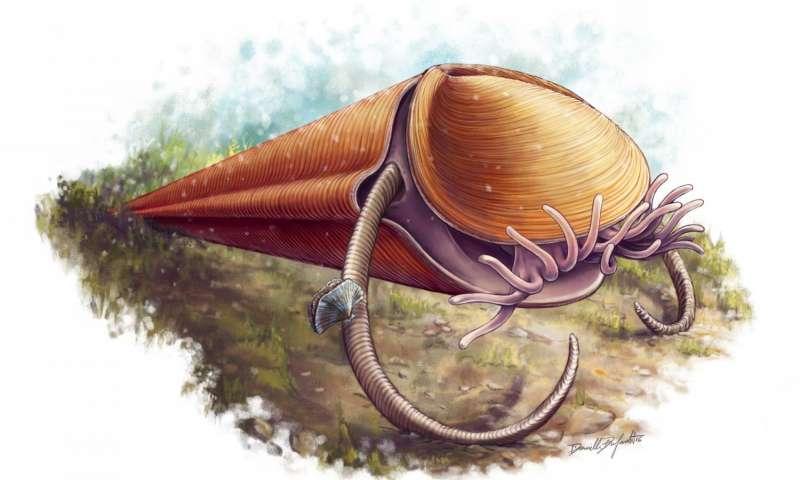
One branch on the tree of life is a bit more crowded today. A team of scientists led by 20-year-old University of Toronto undergraduate student Joseph Moysiuk has finally determined what a bizarre group of extinct cone-shaped animals actually are....
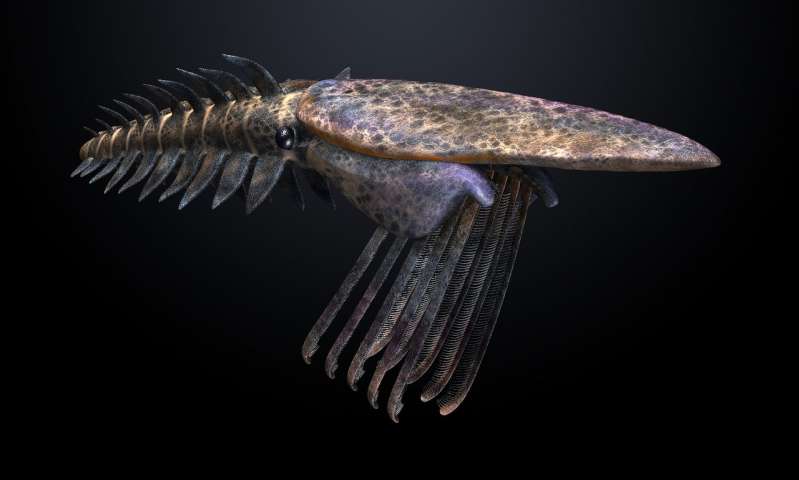
With Rudy Lerosey-Aubril from New England University, he meticulously re-examined fossil material collected over 25 years ago from the mountains of Utah.
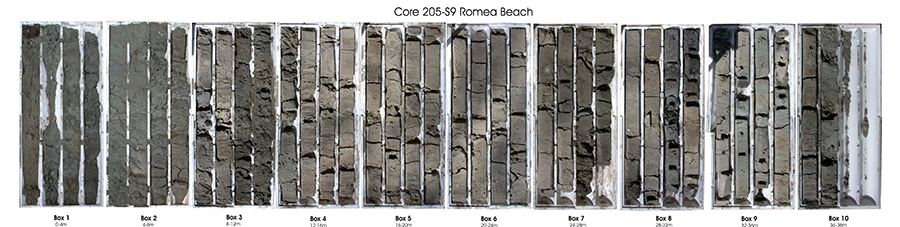
Using the fossil record to accurately estimate the timing and pace of past mass extinctions is no easy task, and a ...
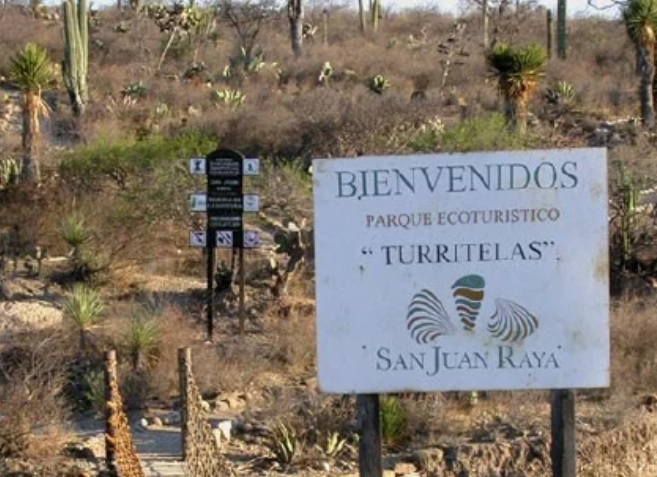
Millions of years ago, the town of San Juan Raya was part of Laurasia, one of the two gigantic...
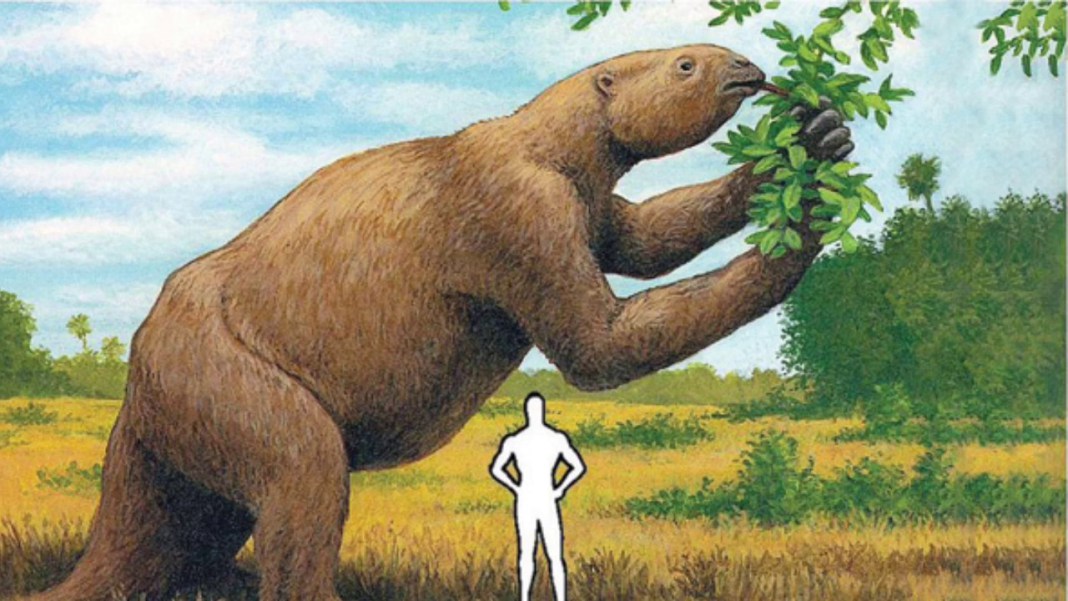
A giant sloth, weighing 5 or 6 tons, and whose stature could exceed twice that of a human being, was part of prehistoric Costa Rica and inhabited our lands about 7 million years ago.
When I read Michael Crichton’s famous Jurassic Park in the 1990’s, I knew enough about the approach to sense that cloning could be used to bring back extinct animals.