
Exploring Prehistoric Life
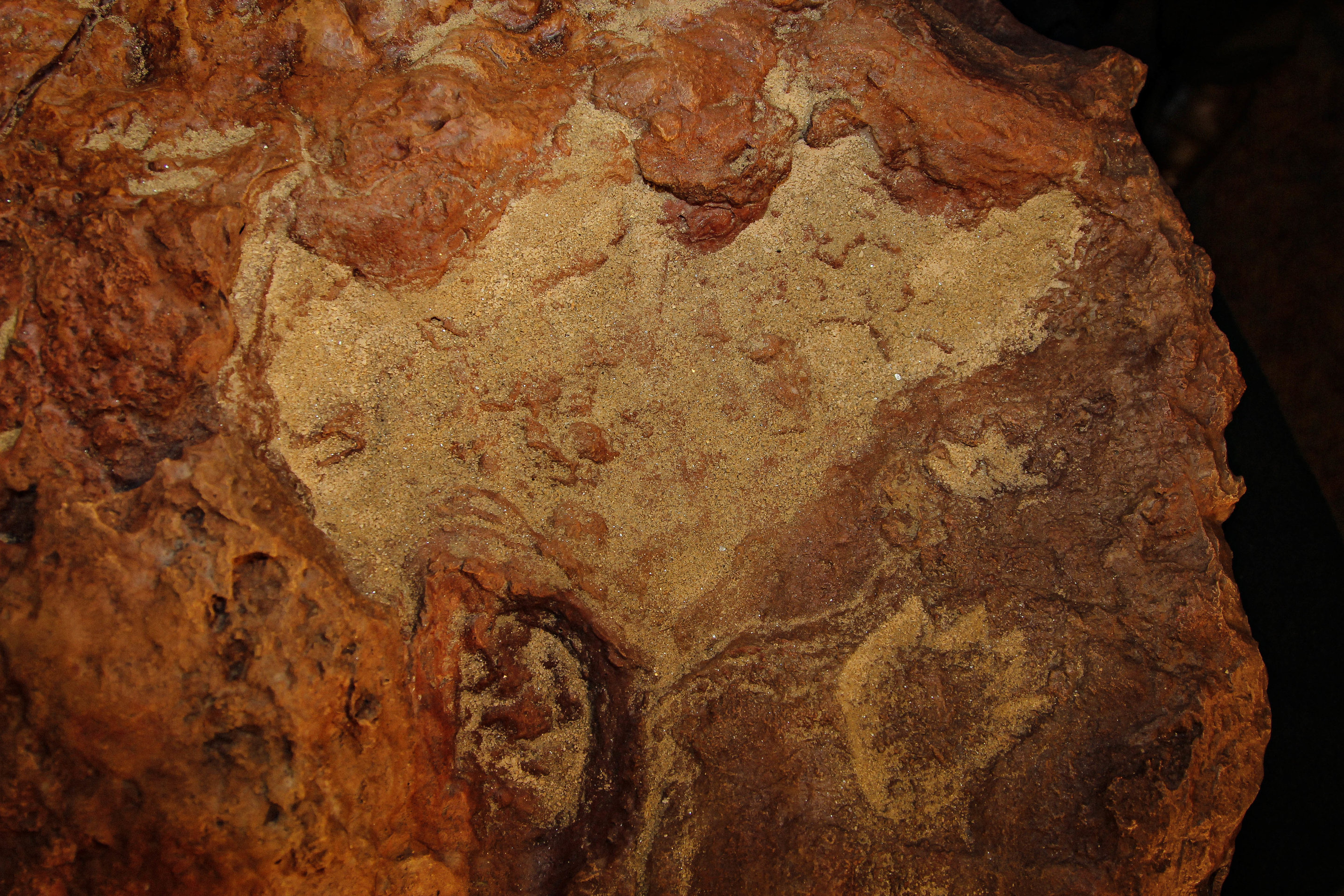
A slab of sandstone discovered at NASA's Goddard Space Flight Center contains at least 70 mammal and dinosaur tracks from more than 100 million years ago, according to a new paper published Jan. 31 in the journal Scientific Reports...
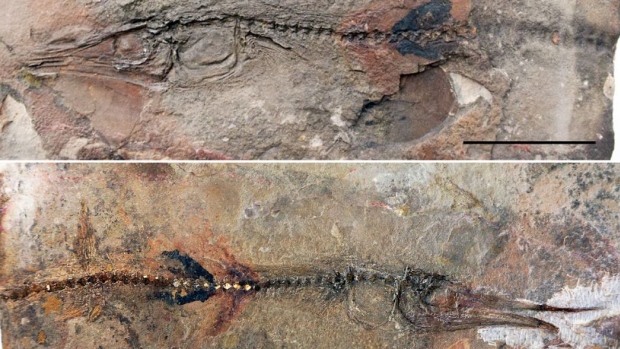
Edmonton paleontologists are crediting a keen-eyed tourist for spotting a never-before-seen fish fossil in flagstones outside a Colombian monastery.
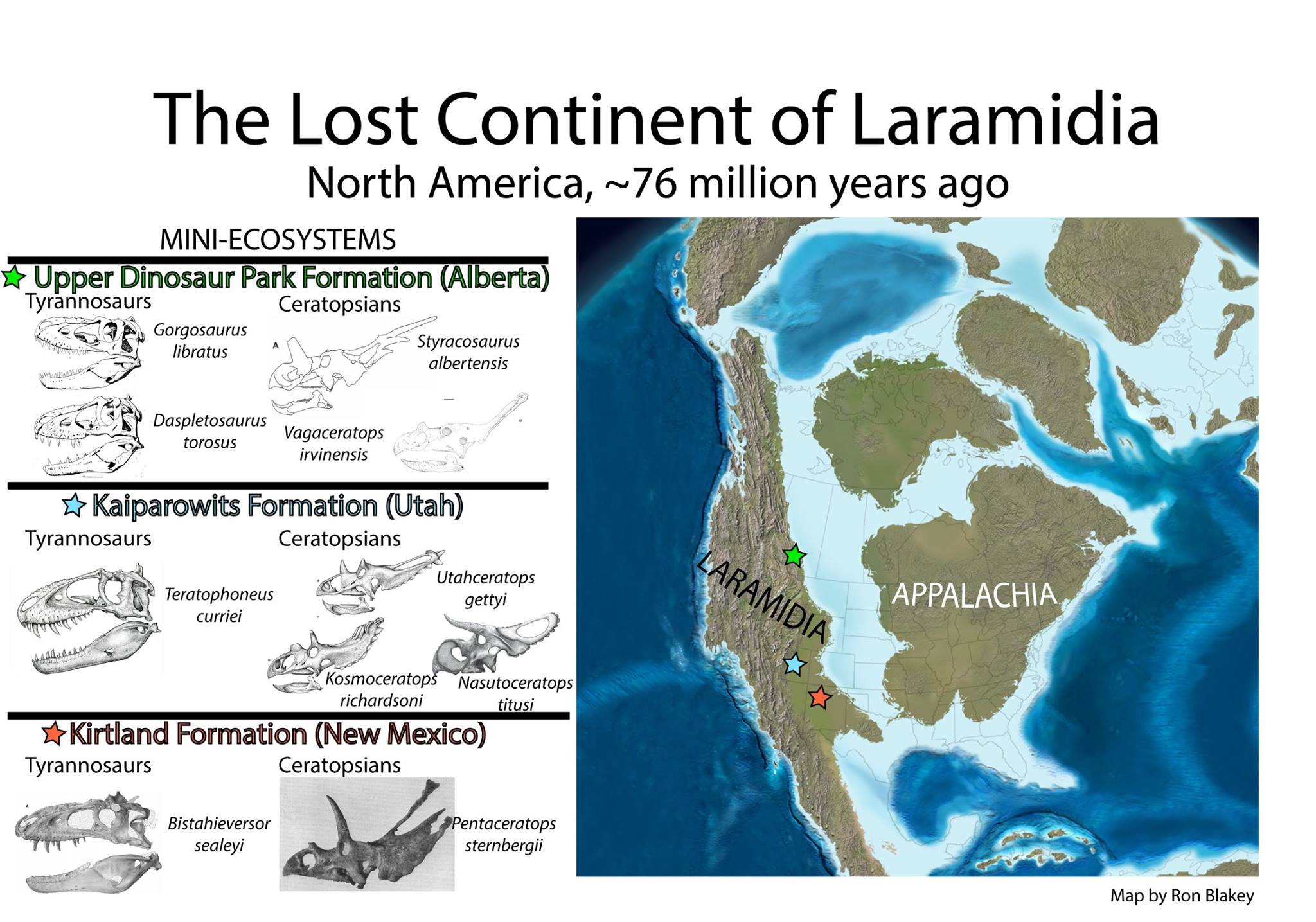
In this article, we discuss the nature of North America in the Late Cretaceous Period. Between 100 and 70 million years ago, the entire continent was divided by a...

The location, called Sirius Passet in Peary Land in the far north of Greenland, has been known as an early Cambrian fossil site, but it lies close to a geological fold belt. Having been heated to 200° C or more by metamorphism, most of the fossils at Sirius Passet have...

A new species of bristle worm that lived about 508 million years ago (Cambrian period) has been identified from fossils found in...

The biggest discoveries can be made by the unlikeliest of scientists, like a volunteer sifting through desert rocks.

A new study based on recent findings might shed a new light on annelids (ringed worms). Researchers now have solid evidence that these animals developed heads more than 500 million years ago. An extremely well-preserved fossil also suggests how the head...

Scientists say the fossilized remains of a brittle star that lived 435 million years ago belong to a new species.

Scientists using laser-imaging technology have documented and digitally preserved the first known set of theropod dinosaur tracks in the state of Arkansas.

What is a Transitional Fossil? A transitional fossil is a fossil of an organism that has traits from multiple evolutionary stages.