Exploring Prehistoric Life

A new study from Harvard University and the Field Museum of Natural History sheds light on how and when changes in the spine happened in mammal evolution. The research reveals how a combination of developmental changes and adaptive pressures in the spines of...
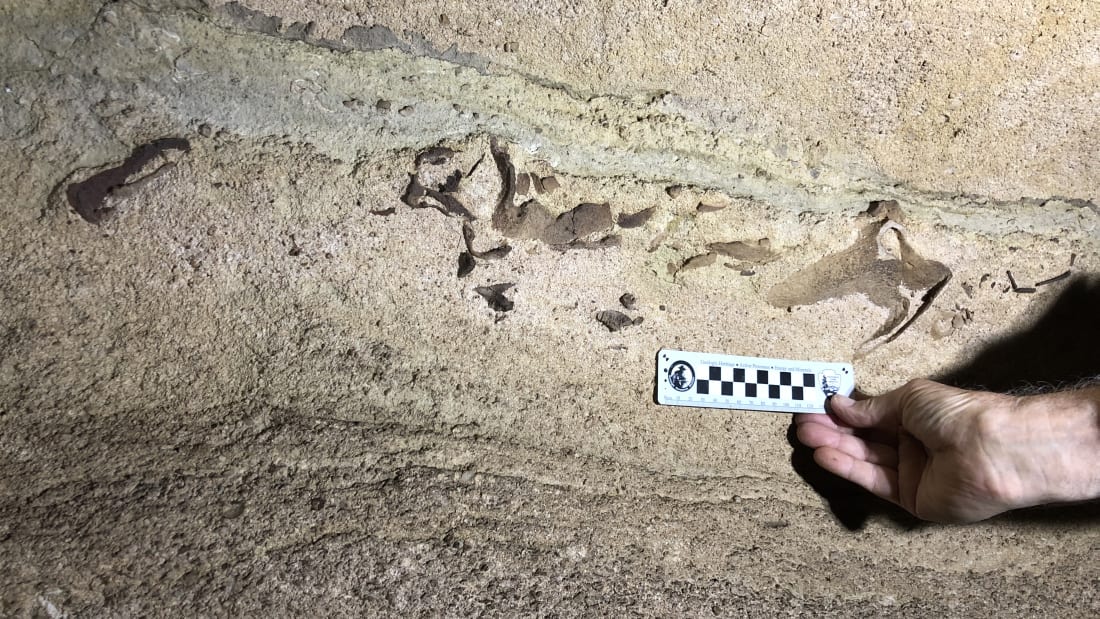
Kentucky's Mammoth Cave National Park is a long way from the ocean, but newly discovered fossils suggest the area was once teeming with...
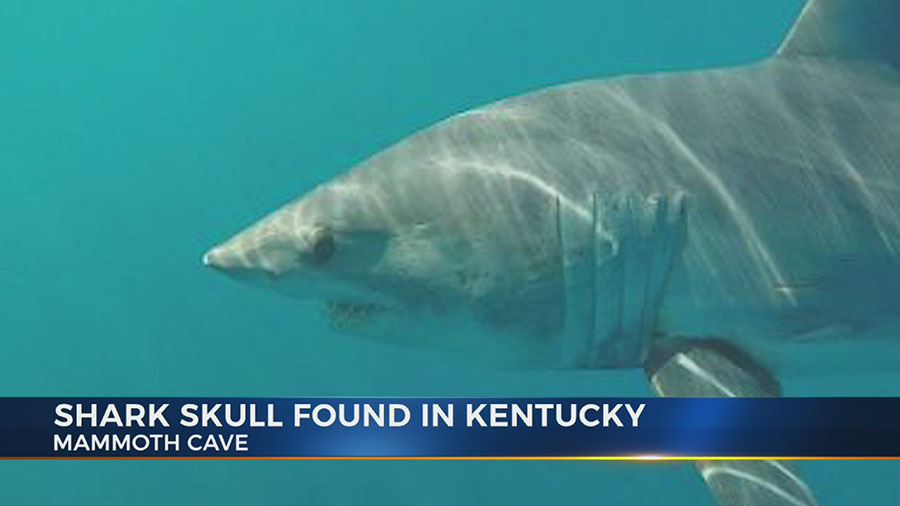
During a trip to Mammoth Cave National Park in November, paleontologist John-Paul Hodnett was stunned.
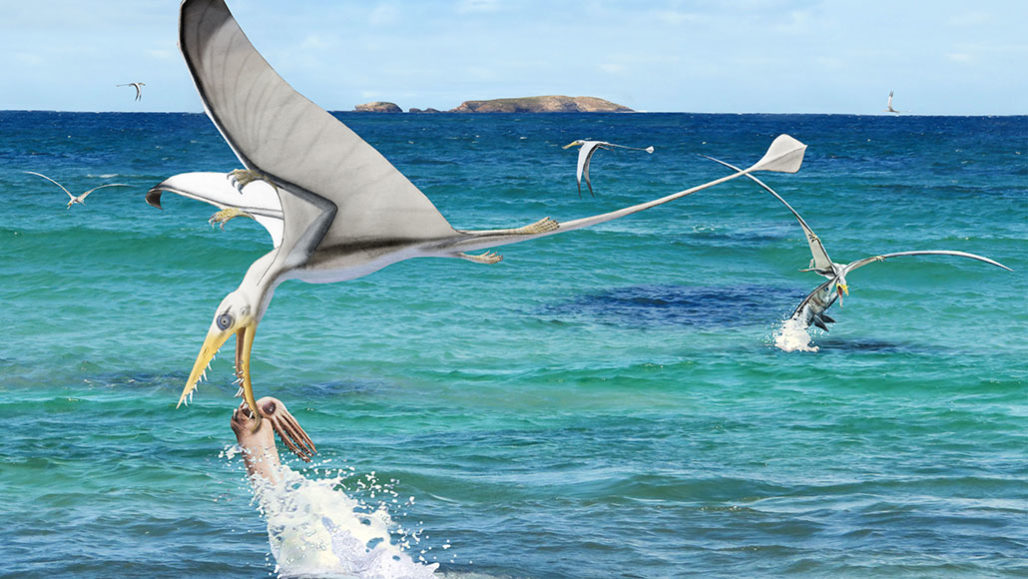
A tooth embedded in a squid fossil tells a story of a battle at sea with the flying reptile.
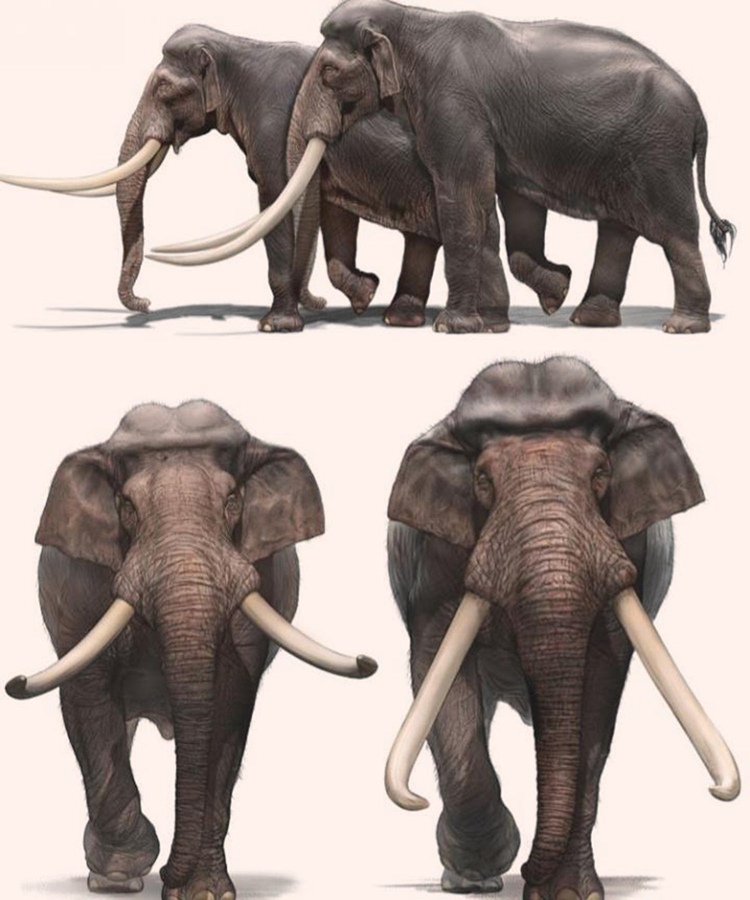
Palaeoloxodon is an extinct genus of straight-tusked elephants that lived throughout Europe and Asia during the...
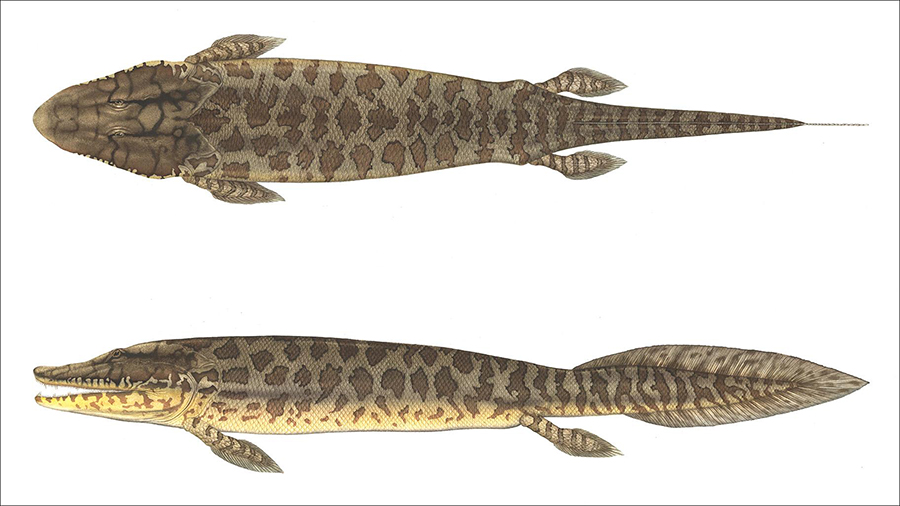
Around 375 million years ago, some fish began an extraordinary transformation that would change the history of life on Earth: their fins evolved into something like limbs that enabled them to walk on land.
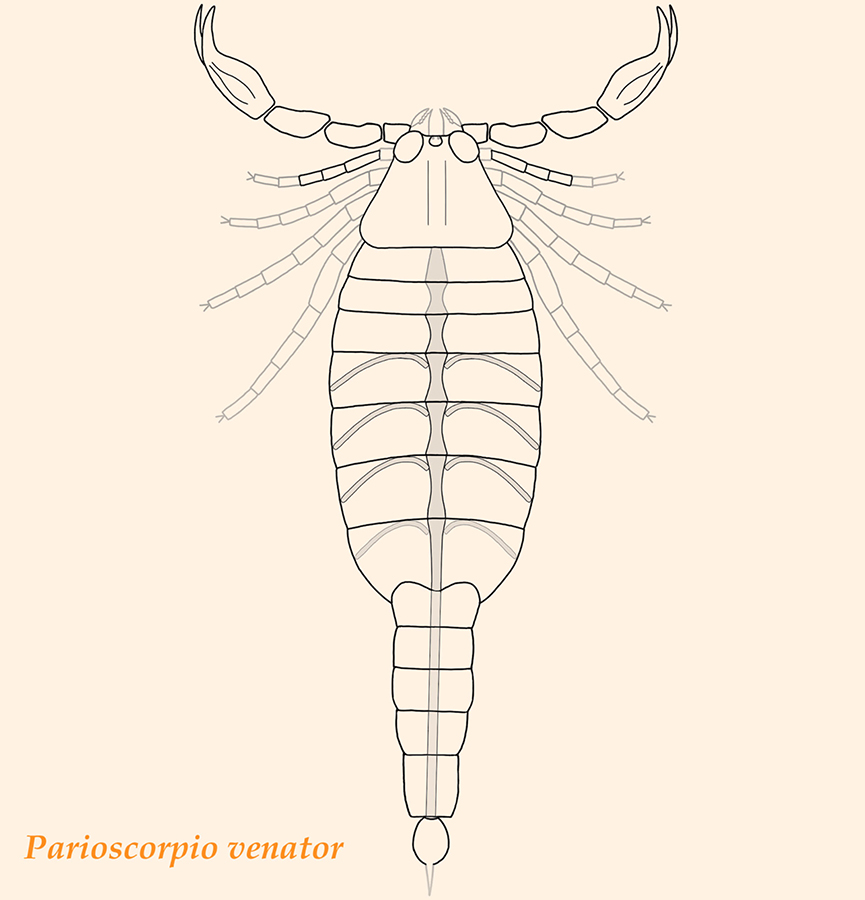
The exceptionally preserved fossils of the oldest species of scorpion ever found have been unearthed in Wisconsin, the United States.
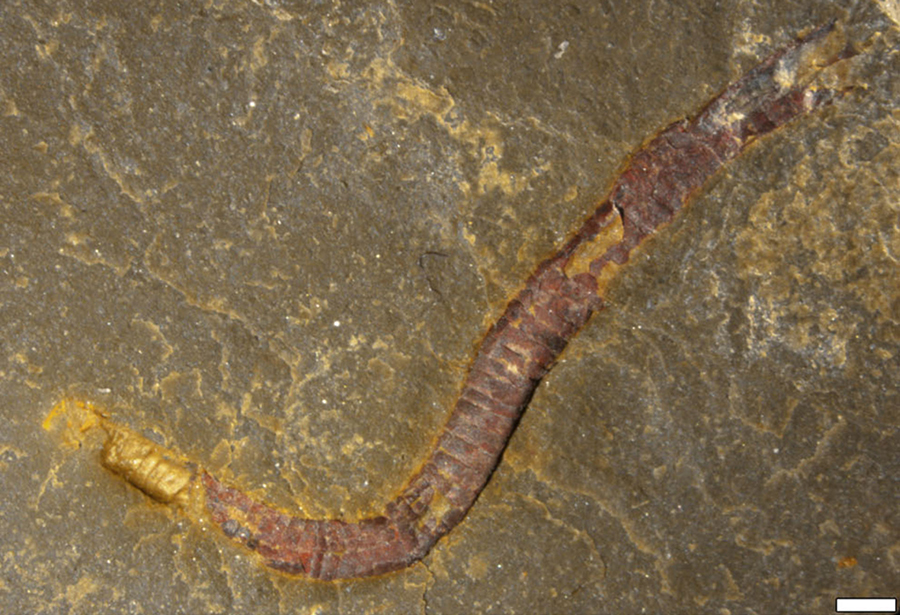
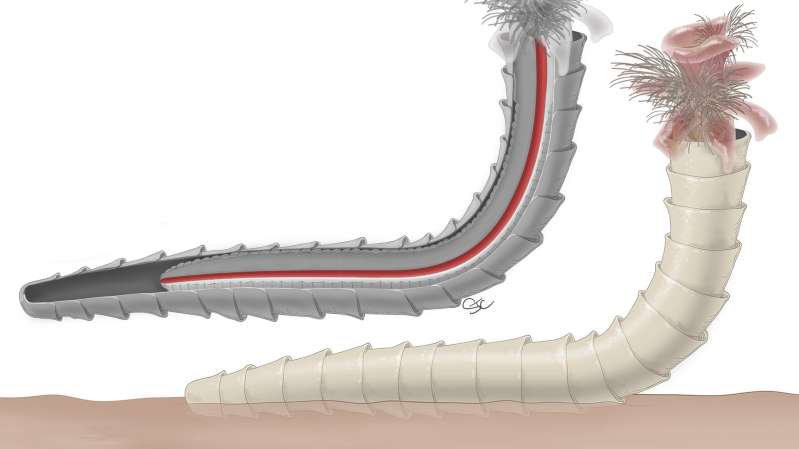
Paleontologists from the University of Missouri have discovered the well-preserved digestive tracts in the fossils of microscopic animals called cloudinomorphs. The worm-like...
“It was just really lucky,” said Dr. Smith, who works at Johns Hopkins University in Baltimore and is part of the team that reported the find in Nature Communications.