
Exploring Prehistoric Life
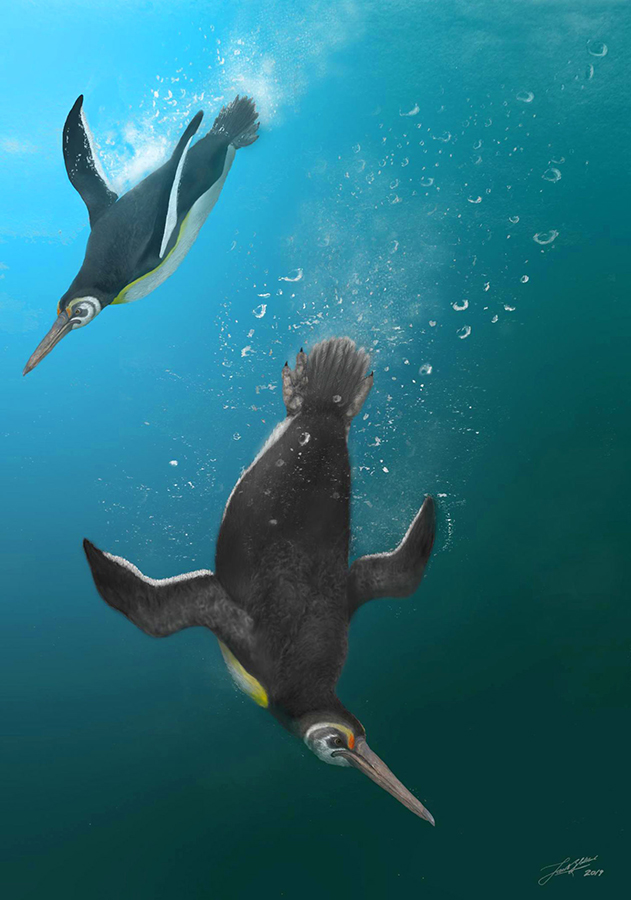
Kupoupou stilwelli lived during the Paleocene epoch at a time when there was no ice cap at the South Pole and the seas around...
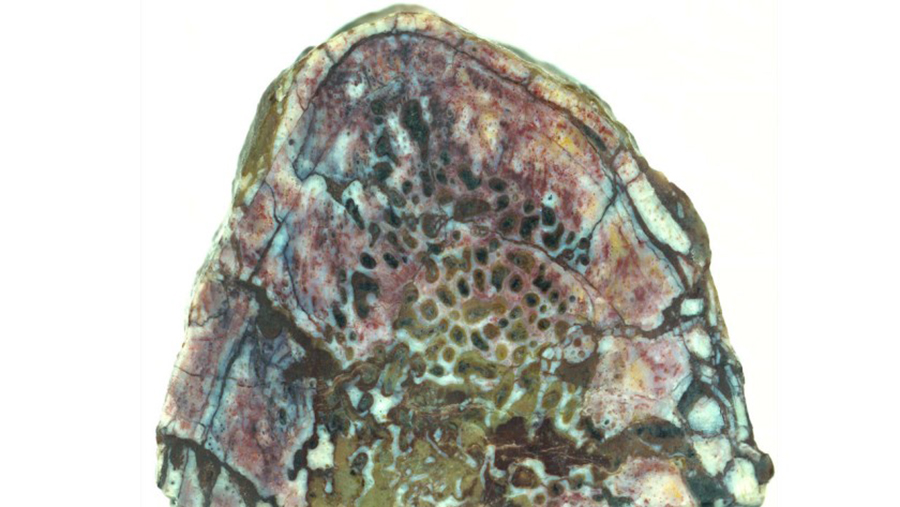
Dinosaur paleontology has long been the domain of bones and teeth – but now soft tissues could be changing the game. Scientists say they have discovered collagen preserved in a 195-million-year-old rib from a long-necked ...
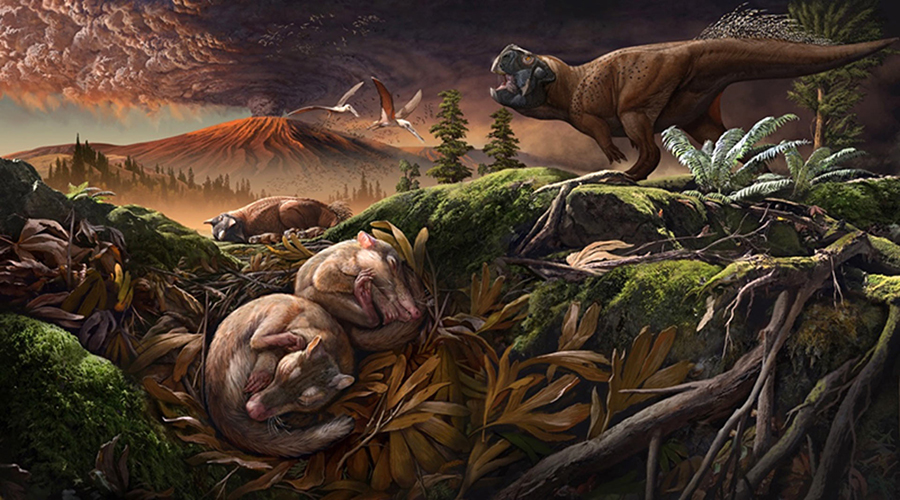
Named Origolestes lii, the creature was part of the famous Jehol Biota, an early Cretaceous terrestrial and freshwater ecosystem...
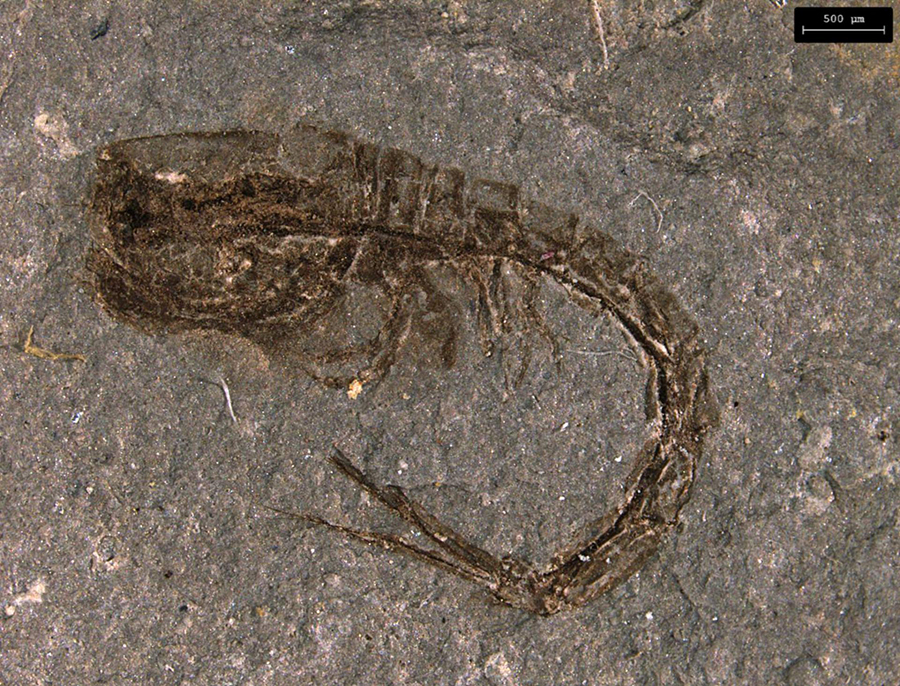
A new species of comma shrimp that lived during the mid-Cretaceous period, between 95 and 90 million years ago, has been identified from well-preserved...
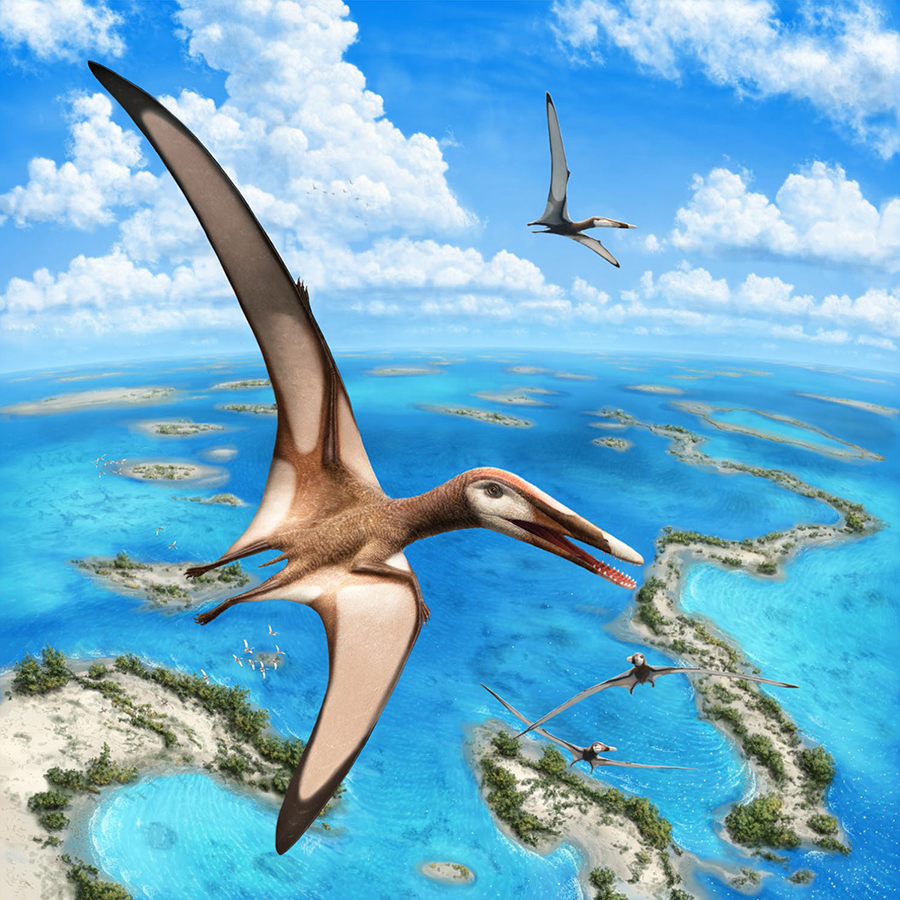
Named Mimodactylus libanensis, it lived 95 million years ago (Cretaceous period) in the middle of what is now...

Ancient Australia’s super-sized animals, the megafauna, became extinct about 42,000 years ago, but the role of humans in...

Six new species of dragonflies that lived about 50 million years ago (early Eocene epoch) have been identified from fossils found in the Okanagan Highlands, an...
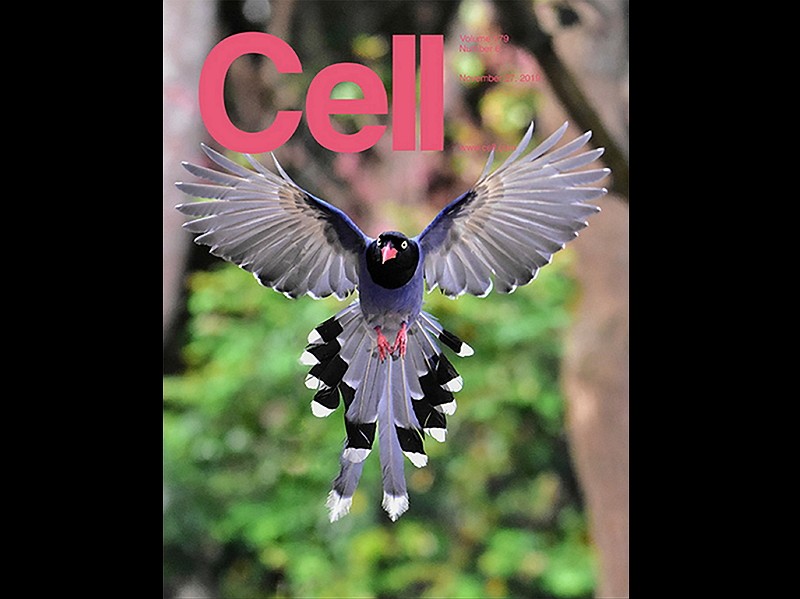
A joint Taiwan-U.S. study on the secret behind bird flight has been published in the latest issue of the scientific journal "Cell" and features the endemic Taiwan blue magpie on its cover.
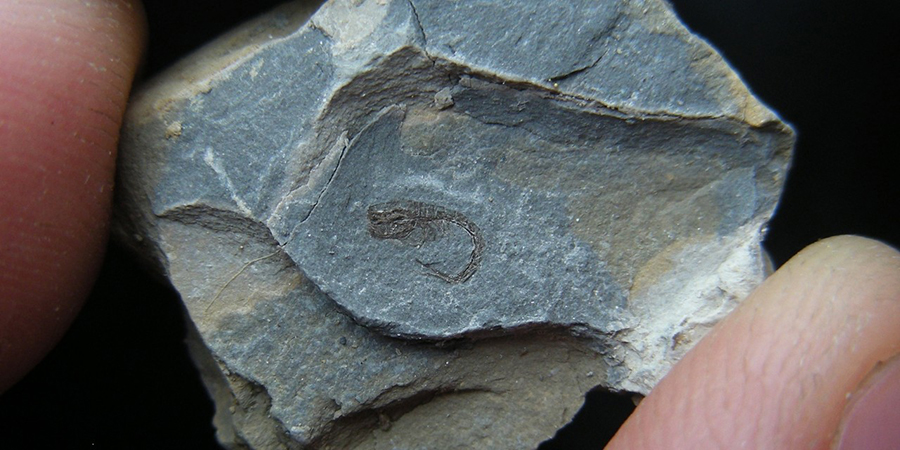
Tiny well-preserved fossils discovered in South America reveal oldest known relative of species that still thrives today.

University of Bristol’s Professor Philip Donoghue, Dr. Zongjun Yin from the Nanjing Institute of Geology and Palaeontology and colleagues focused on the fossils of Caveasphaera, a multicellular organism that lived 609 million years...